

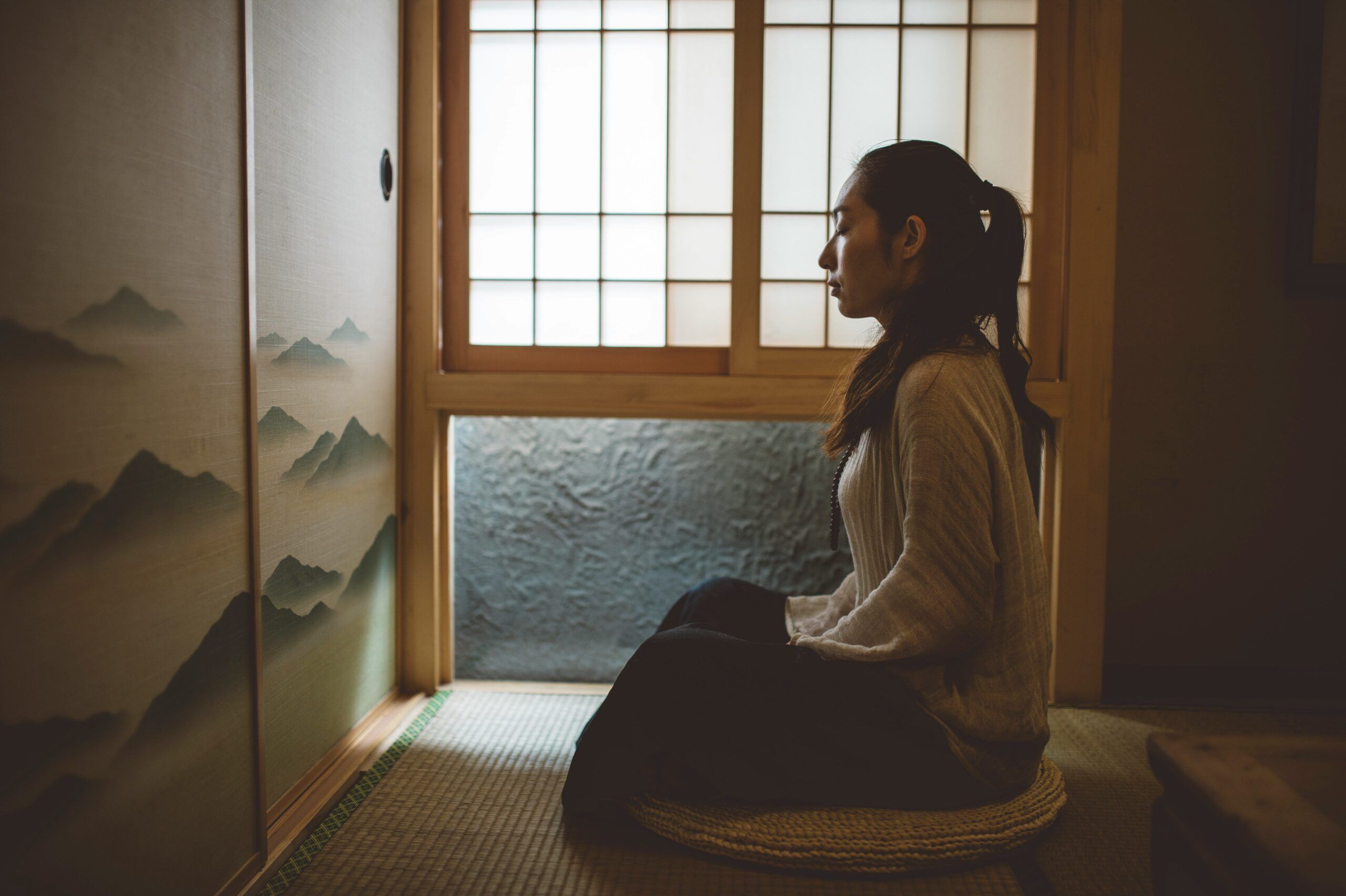
Stress is part of modern life, but it doesn’t have to control you. Instead of relying on medication, simple lifestyle changes can calm your mind and restore balance naturally. From breathing exercises to better sleep and mindful habits, there are easy ways to reduce anxiety and feel more grounded every day. In this guide, you’ll discover proven natural methods to relax your body, clear your thoughts, and build a calmer, healthier routine — starting today.
Practice Deep Breathing Daily
Breathing is the fastest way to reset your nervous system.
When you’re stressed, your breathing becomes shallow — signaling your body to stay in “alert mode.”
By breathing deeply, you trigger the parasympathetic nervous system, which tells your brain it’s safe to relax.
Try this:
- Inhale deeply for 4 seconds.
- Hold for 4 seconds.
- Exhale slowly for 6 seconds.
Repeat this for 2–3 minutes whenever you feel anxious or overwhelmed.
You can also use apps like Calm or Breathwrk to guide your rhythm.
Why it works: deep breathing lowers cortisol levels and improves oxygen flow to the brain, helping you regain focus quickly.
Start a Simple Meditation Habit
Meditation isn’t about emptying your mind — it’s about learning to notice your thoughts without judgment.
You can start with just 5 minutes a day.
How to begin:
- Sit comfortably, close your eyes, and focus on your breathing.
- When your mind wanders, gently bring it back to your breath.
- Apps like Headspace or Insight Timer offer free guided meditations.
Studies show that even short daily sessions can reduce anxiety, improve sleep, and strengthen emotional resilience.
Tip: Try meditating right after waking up or before bed — those are the easiest times to build consistency.

Spend Time in Nature
Nature has a measurable effect on stress hormones.
A simple walk in a park, by the beach, or under the trees can lower blood pressure and boost mood.
If you can, spend 20 minutes outdoors daily.
Leave your phone behind, notice the sounds, light, and movement around you.
If you live in a city, bring nature to your home — add plants, open your windows, or play natural sounds while you work.
Why it works: exposure to sunlight and fresh air increases serotonin levels and decreases mental fatigue.
Prioritize Quality Sleep
Lack of sleep amplifies stress — even minor problems feel impossible to handle.
Creating a nighttime routine helps your brain know when it’s time to unwind.
Try this:
- Turn off screens 1 hour before bed.
- Keep your room dark, quiet, and slightly cool.
- Go to bed and wake up at the same time daily.
Avoid caffeine after 3 p.m. and heavy meals late at night.
If you struggle to fall asleep, try calming teas like chamomile or lavender.
Result: better sleep = better mood, focus, and emotional balance.

Eat Foods That Reduce Anxiety
Your gut and brain are deeply connected — what you eat affects how you feel.
Include foods rich in magnesium, omega-3 fatty acids, and vitamin B6, like:
- Leafy greens (spinach, kale)
- Fatty fish (salmon, tuna)
- Nuts, seeds, and bananas
Avoid excessive sugar and processed snacks, which can cause mood swings and energy crashes.
Bonus tip: stay hydrated — dehydration increases fatigue and irritability, making stress worse.
Move Your Body Regularly
Exercise is one of the most powerful natural antidepressants.
It releases endorphins — your brain’s “happy hormones” — and helps burn off physical tension.
You don’t need a gym membership.
Try walking, dancing, yoga, or even stretching for 15 minutes daily.
Why it works: movement improves blood circulation, boosts confidence, and resets your mood almost instantly.
Tip: Find an activity you enjoy so it feels like therapy, not a chore.

Take Digital Breaks
Constant notifications, social media scrolling, and news overload keep your mind in a constant state of alert.
Scheduling short “digital detox” moments daily can help your brain rest.
Try this:
- Turn off non-essential notifications.
- Leave your phone in another room during meals.
- Take a 1-hour break from screens before bed.
Use that time to stretch, read, or talk with someone.
Your mind will thank you for the quiet.
Connect With People You Trust
Human connection is a natural stress reliever.
Talking to a friend, family member, or therapist can help you process emotions and feel supported.
You don’t always need solutions — sometimes, you just need to be heard.
Make time for genuine, in-person conversations or simple check-ins via phone or video.
Tip: Express gratitude — write down 3 things or people you’re thankful for daily. It shifts your focus from stress to appreciation.

Practice Mindful Gratitude
Gratitude is a powerful mindset shift.
When you intentionally notice good moments — a kind gesture, a meal, a laugh — your brain releases dopamine and serotonin, reducing stress naturally.
Start a gratitude journal and write down 3 small things you appreciate each night.
It trains your mind to focus on positives rather than worries.
Bonus: sharing gratitude out loud (like telling someone you appreciate them) doubles the effect for both people.
Create a Relaxing Evening Ritual
The way you end your day affects how your mind rests.
Turn your evenings into a calm ritual: light a candle, play soft music, take a warm shower, and reflect on your day.
Avoid scrolling through your phone — it keeps your brain active.
Instead, slow down, breathe, and give yourself permission to disconnect.
Result: you’ll fall asleep easier and wake up with more clarity and energy.
You don’t need expensive therapies or pills to find peace — your body already knows how to heal itself.
By combining simple habits like breathing deeply, moving daily, and prioritizing rest, you’ll gradually build a calmer, more balanced lifestyle.
Remember: stress will always appear, but how you respond determines its power.
Start small, be consistent, and watch your peace of mind grow every day.