

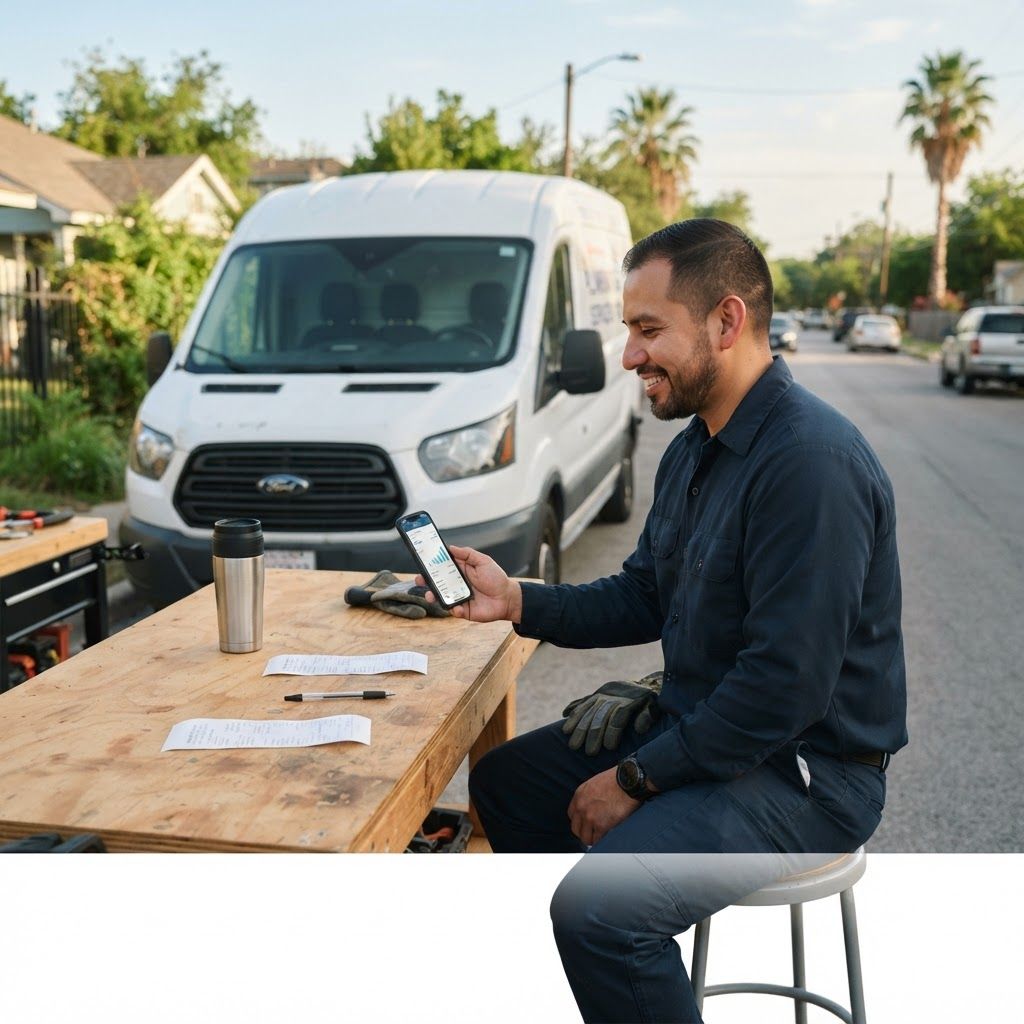
A practical cashback setup for San Antonio plumbing businesses
Finding the best cashback credit cards for San Antonio self-employed plumbers buying fuel and materials in 2026 is less about chasing a flashy welcome bonus and more about matching rewards to the way a service business actually spends. A plumber may buy gasoline several times a week, pick up fittings at a local hardware store, pay for software and phone service, and occasionally order equipment online.
The right card can turn those repeat purchases into useful cash back, but only when the annual fee, payment fees, redemption rules, and tax records all make sense. This guide compares practical card categories and shows how to build a simple two-card system without carrying a balance.
Start with your real San Antonio spending pattern
Review the last 90 days of business transactions across fuel, materials, advertising, software, insurance, and mobile service. Separate business and personal purchases, estimate monthly spending, and check how regular suppliers are coded.
- Separate business and personal purchases.
- Estimate monthly fuel and materials.
- Check merchant-category coding.
- Record rewards in bookkeeping.
Pro tip: A card bonus for office-supply stores may not reward plumbing materials at the same rate.
Result: your choice is based on real job costs.
Choose a flat-rate card for unpredictable purchases
A no-annual-fee flat-rate business card can be the safest foundation for a solo plumber. A typical option may offer around 1.5% to 2% back on eligible purchases, whether the charge is gasoline, a replacement tool, a website subscription, or a materials run.
- Look for no annual fee.
- Compare redemption rules.
- Prefer employee-card controls.
- Pay the balance in full.
Pro tip: Treat rewards as a discount on operating costs, not extra spending money.
Result: varied purchases still earn something.
Use a fuel-focused card only when the math works
If the work van uses $600 of gasoline monthly, a 3% fuel reward produces about $18 before fees, while a 2% flat-rate card produces about $12. The $6 difference may not justify an annual fee or narrow redemption rules. Check how stations process fuel and convenience-store purchases.
- Test stations used on San Antonio routes.
- Check reward caps.
- Keep fuel receipts with mileage.
- Do not change routes for tiny rewards.
Pro tip: Compare annual fuel spend multiplied by the bonus difference against the annual fee.
Result: the fuel card earns its place through measurable savings.
Match materials spending to merchant categories
Materials can be the largest variable expense, but a home-improvement chain, specialty distributor, and online tool retailer may all code differently. Ask the issuer how your intended merchants are classified before relying on a bonus rate.
- Run a small test purchase when possible.
- Do not assume all suppliers code alike.
- Use alerts for equipment orders.
- Keep invoices with statements.
Pro tip: A supplier discount can beat card rewards, so compare both.
Result: the calculation reflects your actual margins.
Consider a two-card system for fuel and everything else
One flat-rate card plus one targeted card is often practical. Put fuel on the targeted card only when the terms are clearly better, and use the flat-rate card for materials, insurance, advertising, subscriptions, and miscellaneous costs.
- Card A: general operating expenses.
- Card B: verified fuel category.
- One monthly reconciliation date.
- A clear policy for personal charges.
Pro tip: Enable alerts and label both cards in bookkeeping.
Result: better rewards without a wallet full of rules.
Calculate the value after fees and interest
Cashback works only when the account is paid in full. Include annual fees, employee-card fees, payment-processing charges, reward caps, and fees for paying invoices or taxes by card. A reward rate below a processing fee is not a saving.
- Estimate annual eligible spend.
- Subtract annual costs.
- Subtract transaction fees.
- Value only rewards you will redeem.
Pro tip: Use annual spend × effective reward rate − annual costs.
Result: the highest advertised rate is not always most profitable.
Protect records and avoid tax-time confusion
Cashback often behaves like a purchase rebate, but tax treatment can depend on the circumstances and bonus type. Keep agreements, reward history, receipts, and bookkeeping notes together, and ask a qualified tax professional about unusual bonuses or referral payments.
- Save monthly statements.
- Attach receipts to larger charges.
- Reconcile redeemed rewards.
- Review records before estimated-tax deadlines.
Pro tip: Never buy unnecessary materials to trigger a bonus.
Result: rewards support the business rather than create confusion.
A simple application checklist for 2026
Review current issuer terms directly because offers change. Confirm the annual fee, caps, merchant categories, APR, employee controls, alerts, and welcome-offer deadline. Apply only when normal business spending can meet the requirement.
- Confirm fees and category definitions.
- Check the purchase APR.
- Verify controls and statements.
- Read the welcome offer carefully.
Pro tip: Compare official terms with three months of San Antonio spending before applying.
Result: you choose for long-term fit, not just a bonus.
Final recommendation for San Antonio plumbers
The best cashback credit cards for San Antonio self-employed plumbers buying fuel and materials in 2026 produce reliable net value after fees and require little administration. Start with a no-annual-fee flat-rate card, then add a fuel card only after confirming categories and doing the math. For related strategies, compare cashback planning for independent contractors and protecting home-office equipment.
Frequently asked questions
What is the best cashback card for a self-employed plumber?
A no-annual-fee flat-rate business card is a strong starting point for varied purchases.
Should plumbers use a dedicated gas card?
Only when the extra reward exceeds the value of a flat-rate card after fees and limits.
Do plumbing materials qualify for hardware-store rewards?
Not always; merchant-category codes vary by supplier.
Can I pay business taxes with a rewards card?
Some providers accept cards, but processing fees may exceed rewards.
How should cashback rewards be recorded?
Keep statements and reward history with receipts and ask your accountant about unusual bonuses.